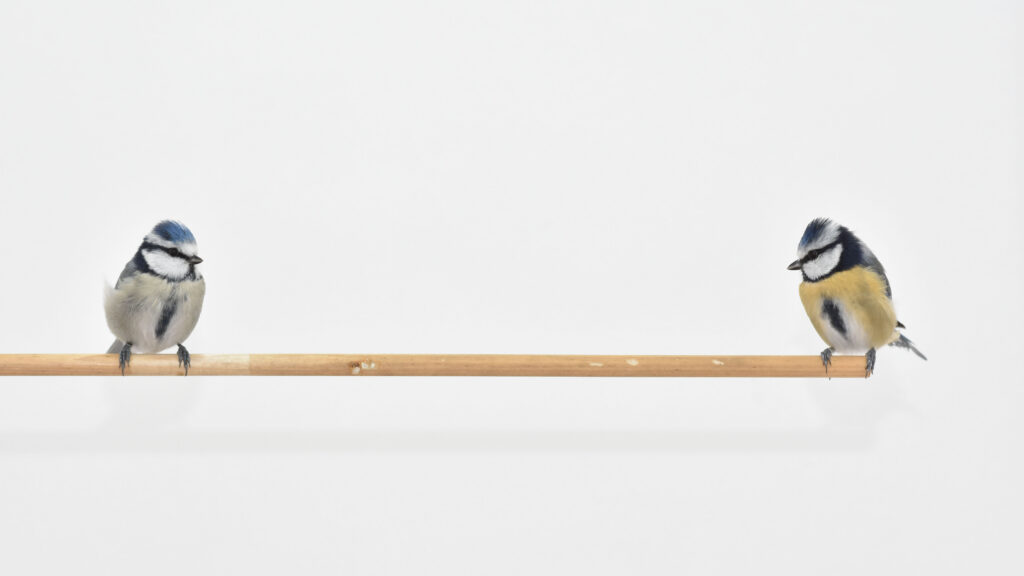
Impact of social effects on eco-evolutionary responses in a changing environment
Abstract
Predicting evolutionary responses remains a central challenge in evolutionary biology. Classical models typically consider abiotic conditions but overlook the social environment which can profoundly affect fitness and key life-history traits such as body mass or phenology. An individual’s fitness depends not only on its own phenotype (direct selection) but also on those of its social partners (social selection). Similarly, an individual’s phenotype also depends on the genes of its social parners, an effect known as indirect genetic effects. The covariance between direct and indirect genetic effects may accelerate adaptation or constrain responses in direction opposite to direct selection, and could explain phenomena such as evolutionary stasis or the evolution of altruism among non-kin. Currently, most studies on indirect genetics effects did not comprehensively accounted for the complexity of social effects on the behaviour, life history and evolution of the phenotypes.
Main people involved
PI: Céline Teplitsky
Task 1 leader: Denis Réale
Task 2 leader: Claire Doutrelant
Task 3 leader: Céline Teplitsky
Task 4 leader: Christophe Bonenfant
Collaborators: Anne Charmantier, Christophe de Franceschi, Paolo Giovannini Barbara Class, Pierre Alexandre Quittet, Erwan Harscouet (CEFE) Rebecca Garcia (LBBE).